
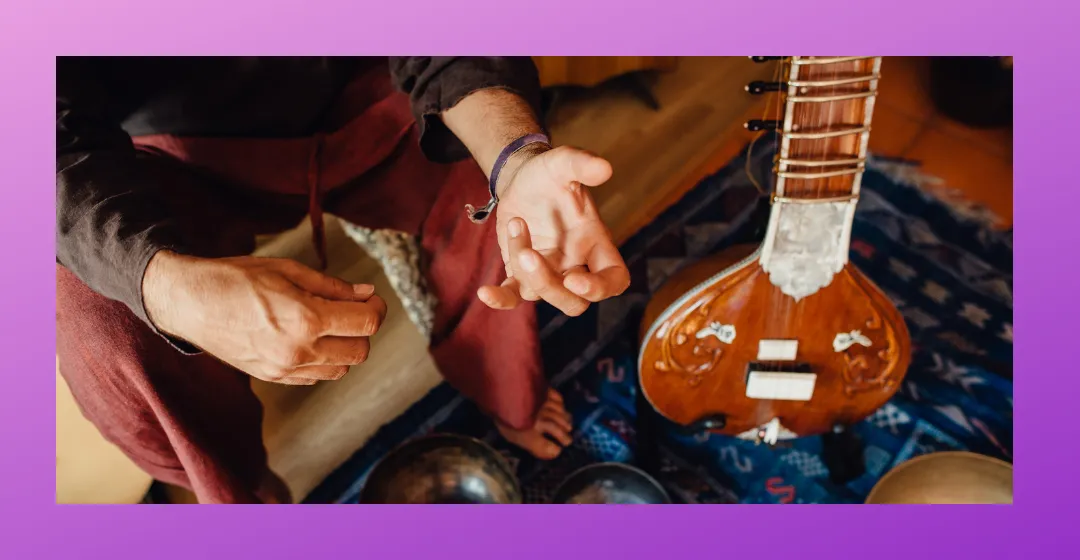
Utilizing music’s potent therapeutic properties, music therapy helps people feel better. It serves as an alternative to other therapeutic approaches like counselling or CBT (CBT).
The responses and associations that a person has to music are used by music therapists to promote mood and general mental state improvements. Music therapy may involve both listening to music and making music using various instruments. Additionally, singing or dancing to music may be involved.
It can help with concentration and attention problems as well as with confidence, independence, and communication skills.
Music therapy involves a patient and their therapist engaging in live musical interaction.
Music therapy may also heavily incorporate improvisation. This entails improvising music in response to a theme or atmosphere, such as simulating a storm with drums and a rainstick.
Human life has included music for thousands of years. Particularly, specialists have discovered instruments that date back over 40,000 years, indicating that the urge for humans to express themselves or communicate through music has a long history.
In the 1800s, medical research into music’s healing properties grew, and by the 1940s, institutions were providing courses in music therapy. E. Thayer Gaston was one of three persons who structured and pushed the practise in order for it to become a recognised kind of treatment. He was also one of the three men who invented the use of music as a therapeutic tool.
Music therapists now work in private care, education, and social care, and there are numerous music therapy associations across the world.
Music can alter emotional states, physiology, perceptions, and spiritual awareness, according to numerous studies. Carnatic and Hindustani music, two forms of Indian classical music, are known to elevate both individual and group awareness into states of love, compassion, forgiveness, and physical healing.
Indian music is renowned for evoking particular emotions and states of consciousness in the listener’s body, mind, and soul. Therefore, it is not surprising that this particular music has been effective in therapeutic settings.
The ancient Indian medical science of Ayurveda has a component that discusses how music can treat a number of physical and mental conditions. Numerous academics and classical musicians from India have devoted their entire lives to the study and application of this type of music therapy. Raga therapy (music used therapeutically) has been used successfully by practitioners to treat a variety of diseases, including brain injury, stroke, autism, depression, Alzheimer’s disease, and many others.
The reaction of fussy babies and toddlers to the calming tones and sounds of music is the main indicator of the effectiveness of raga therapy. Raga therapy’s effectiveness is increased yet further for more developed adult perceptions.
It is Avahan’s effort to bring the ancient knowledge and scientific facts together to create music that benefits people of all ages and make them lead a happy life.
binance
February 3, 2026Your article helped me a lot, is there any more related content? Thanks! https://www.binance.info/en-IN/register?ref=A80YTPZ1
💥 Sex Dating. Complete ⇾ yandex.com/poll/43o224okZdReGRb1Q8PXXJ?hs=a8c0cb876b7cdc9011bf59ac62e0a9be& DM № YSXC6623798 💥
February 6, 2026wb16g7