
Evoking emotion, whether it is happiness or sadness, excitement or meditation, is the primary goal of music. Music has the ability to pull at the heartstrings. Music is engaging, exciting, peaceful, delightful, and moving because of certain melodies or lines, falling phrases, and the delayed reward of resolved harmony.
Tears and chills, often known as “tingles,” are a physiological reaction to music that engages the parasympathetic nervous system and reward-related brain regions. According to studies, this response to music is experienced by about 25% of the population. However, it goes well beyond a purely physiological reaction. Particularly in the case of classical music, it follows a strange course through our senses, evoking unexpected and strong emotional reactions that can lead to tears—and not only tears of grief.
When tension is released, perhaps towards the conclusion of a particularly captivating performance, tears often fall on their own. Certain musical compositions have the power to bring back memories and the feelings they are associated with. Other times, we could experience tears of wonder at the magnitude or unfathomable beauty of the music.
This last response has a name: Stendhal Condition. Although the syndrome is more frequently connected to the world of art, it may also be used to describe the intense emotional response that music elicits. A psychosomatic condition known as Stendhal Syndrome, or hyperkulturemia, produces rapid heartbeat, wooziness, perspiration, disorientation, fainting, weeping, and bewilderment when a person is viewing or listening to art that really affects them emotionally. After the French author Marie-Henri Beyle, who wrote under the pen name “Stendhal,” the syndrome is also known as “Florence Syndrome.” He was moved with emotion at the Florence Basilica of Santa Croce and recorded his feelings.
In the Indian Yogic Context, this is also known as the Heart Chakra Activation or awakening
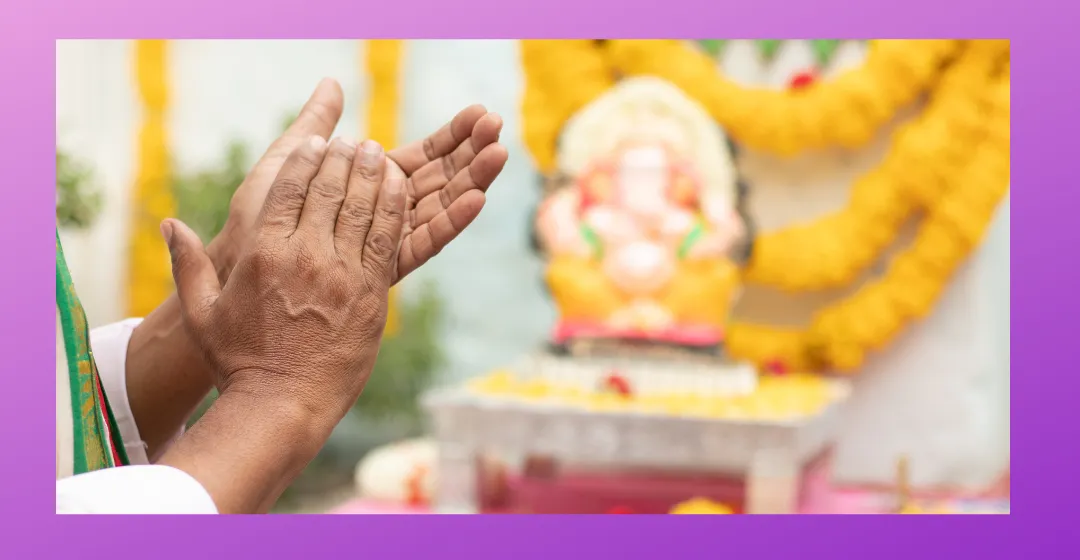
The activation of the heart chakra typically has a catalyst. It might have occurred during listening to devotional music, classical music, meditation or yoga practice. The heart chakra may be aroused by looking at Art (Paintings), temples, being close to nature (mountains, ocean) or even meeting a spiritual person (Guru). There is a sudden burst of emotions and tears flow involuntarily, not necessarily being in a sad state.
But, whether it is the Florence Syndrome, Stendhal Condition or The Activated Heart Chakra, this state is reached by empathetic people going through a lot of changes within their mind and body.
These should be looked at as a part of personal and spiritual growth, rather than being alarmed and looking for answers elsewhere.
Kayla3501
January 31, 2026Your network, your earnings—apply to our affiliate program now!
binance-
February 6, 2026Your point of view caught my eye and was very interesting. Thanks. I have a question for you. https://www.binance.com/register?ref=IHJUI7TF
Buksan ang Binance Account
February 6, 2026I don’t think the title of your article matches the content lol. Just kidding, mainly because I had some doubts after reading the article.
加密货币交易所推荐计划
February 7, 2026Your article helped me a lot, is there any more related content? Thanks!
Meilleur code de parrainage Binance
February 8, 2026Your point of view caught my eye and was very interesting. Thanks. I have a question for you. https://www.binance.info/register?ref=IXBIAFVY
b"asta binance h"anvisningskod
February 8, 2026I don’t think the title of your article matches the content lol. Just kidding, mainly because I had some doubts after reading the article.
www.binance.com sign up
February 15, 2026Your article helped me a lot, is there any more related content? Thanks! https://www.binance.info/pt-PT/register?ref=KDN7HDOR